Data-driven
Use reliable data, diagnostics, monitoring evidence, and insight to identify performance gaps and support better decisions.
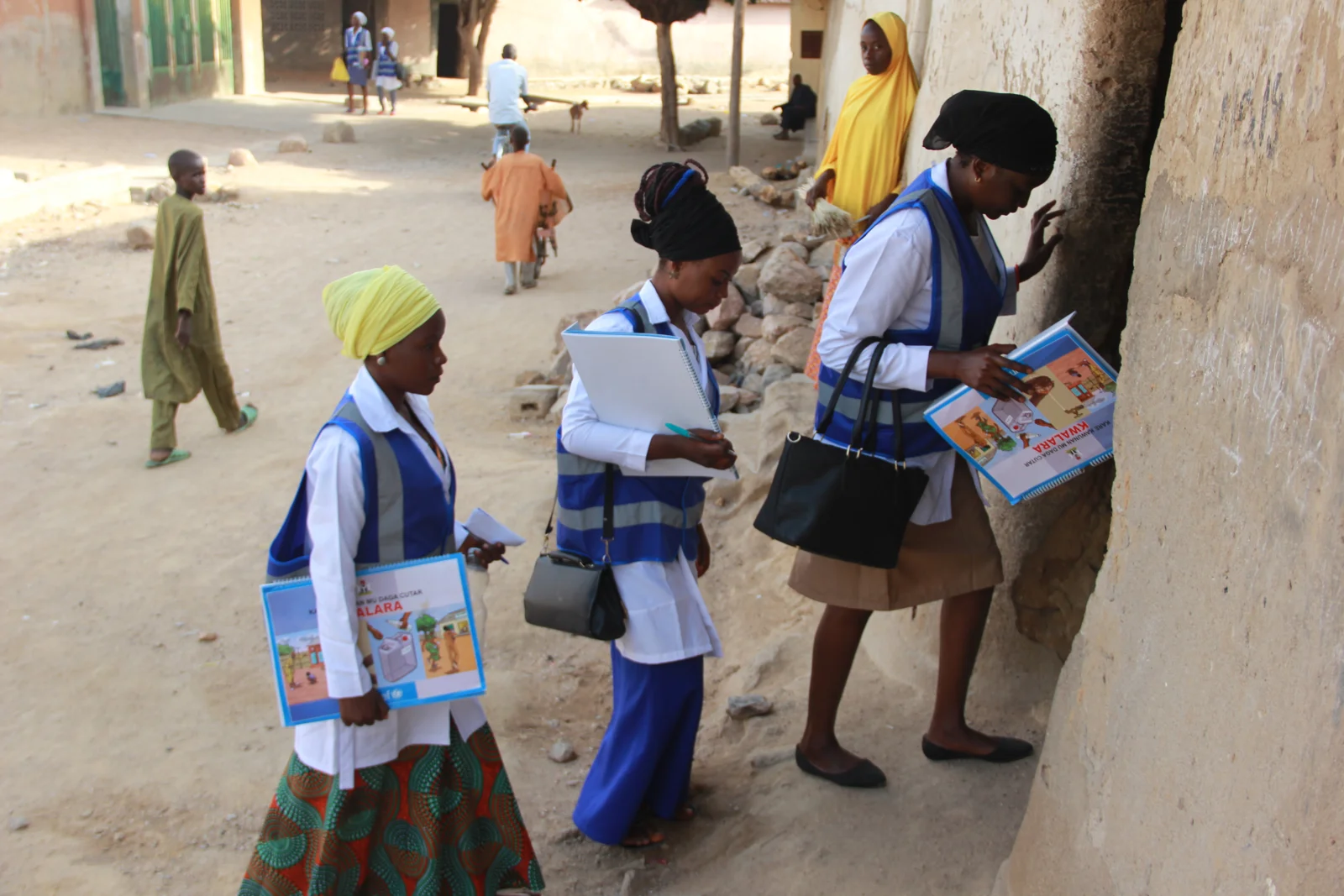
Health is one of the strongest foundations of sustainable development. It shapes how children learn, how families earn, how communities withstand shocks, and how economies grow.
Across many contexts, health systems remain under pressure. Inequitable access, workforce constraints, financing gaps, fragmented data systems, weak accountability, and barriers to care continue to limit the quality, reach, and reliability of services.
FINOM works with governments, donors, institutions, and communities to strengthen the systems that deliver health. We help partners generate evidence, understand constraints, design practical solutions, improve implementation, and build accountability for better outcomes.
Better health outcomes are achieved when decisions are grounded in evidence, services are designed around people, and delivery systems are strong enough to perform consistently in real-world conditions.
How we work
Use reliable data, diagnostics, monitoring evidence, and insight to identify performance gaps and support better decisions.
Design around the realities, needs, and behaviours of the people and institutions the work is intended to serve.
Strengthen governance, accountability, processes, data systems, workforce performance, and institutional capacity.
Support implementation, monitoring, verification, and learning so strategies can move into measurable outcomes.
Selected work
FINOM supported large-scale azithromycin mass drug administration across eight LGAs through technical leadership, field supervision, digital monitoring, and real-time performance tracking.
Two implementation phases reached more than one million children while strengthening campaign supervision, workforce coordination, and monitoring systems.
FINOM led independent verification across participating primary healthcare centres, including facility assessments, workforce verification, documentation reviews, and digital data collection.
Implementation was verified across hundreds of facilities, strengthening accountability and the evidence available to improve supervision and facility performance.
FINOM supported a multi-state qualitative assessment of the social, behavioural, and cultural factors influencing family-planning and post-abortion-care uptake.
The work generated actionable insight into service barriers, community perceptions, and behavioural drivers for culturally responsive programming.
Health systems that use evidence well, deliver consistently, and remain accountable to the people they serve.